About ITroSCo
The story of our evolution, our driving purpose, and the institutional strength behind the International Tropical Summer Course.
The International Tropical Summer Course (ITroSCo) is a manifestation of the Faculty of Fisheries and Marine Sciences (FPIK) of Universitas Diponegoro (Undip)’s commitment to advancing tropical marine science through international collaboration.
Since its inception, ITroSCo has evolved from an academic initiative into a dynamic, signature global program.
Evolution of ITroSCo
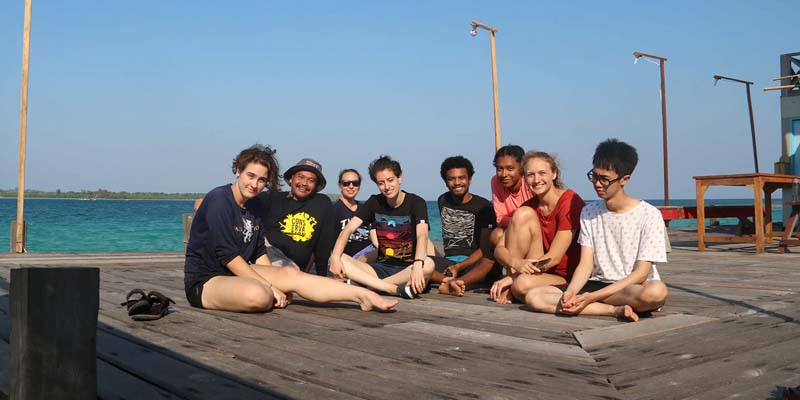
In 2019, this program was designed for the first time as a strategic step to introduce Indonesia’s rich tropical marine ecosystems to the international community. This first year’s implementation was a successful milestone, paving the way for collaboration and networking between FPIK Undip and various international partners.
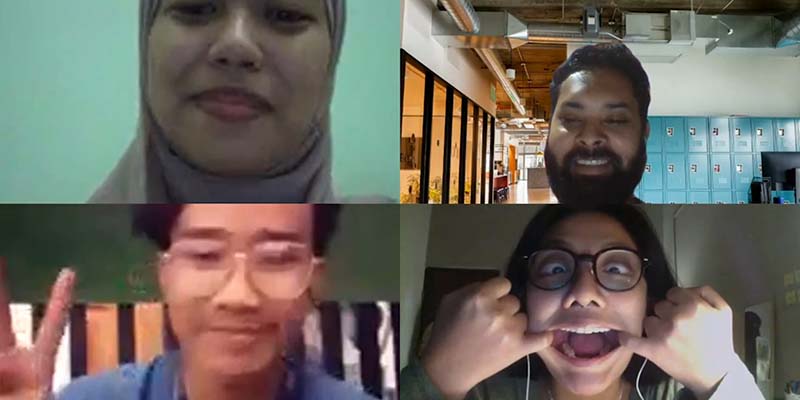
Entering its second edition in 2020, the program had to adapt to the global pandemic. The Faculty of Fisheries and Marine Sciences (FPIK) of Universitas Diponegoro (Undip) successfully transformed its format into an official online camp, expanding the reach of participants beyond geographic boundaries. This year, ITroSCo successfully attracted 18 participants from four countries across Asia: Malaysia, Japan, India, and China.
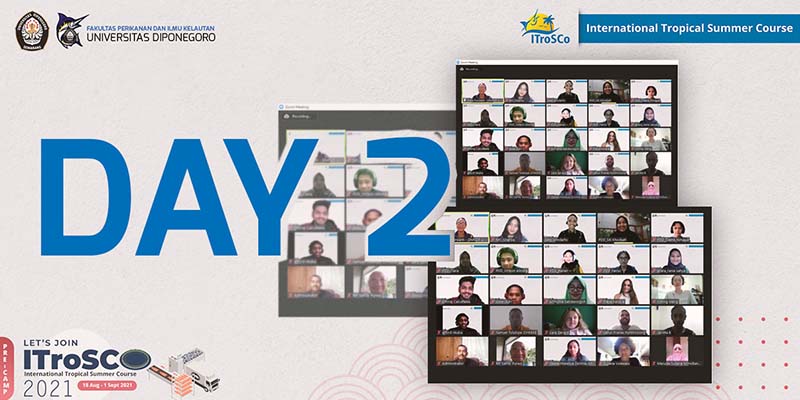
In its third (2021) and fourth (2022) editions, ITroSCo continued with a fully online format. The learning focus was on tropical marine innovation and ecosystem sustainability without requiring physical mobility. While specific participation figures were not disclosed, the program successfully expanded its international reach. In 2022, in particular, ITroSCo received strong support from the Archipelagic and Island States (AIS) Forum, helping it reach a broader global audience amidst the pandemic transition.
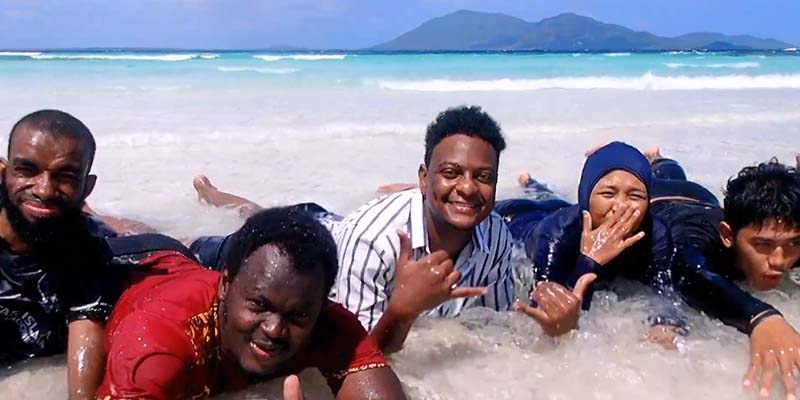
The fifth edition, held in 2023, marked the return of a blended format with the theme “Coral Reef: Biodiversity for a Sustainable Future” for the online session and “Tropical Marine Ecosystem & Marine Product” for the offline session. ITroSCo demonstrated the potential for global collaboration through a partnership between lecturers from Japan and the Philippines. This year, 24 participants from 14 countries across three continents (Asia, Africa, and the Americas) participated, including the United States, Yemen, Sudan, and the Ivory Coast. In-person, the international students experienced firsthand cultural exchange by celebrating the 78th Indonesian Independence Day with traditional competitions such as cracker eating, marble racing, and sack races at the Faculty of Fisheries and Marine Sciences, Universitas Diponegoro (FPIK) Auditorium.
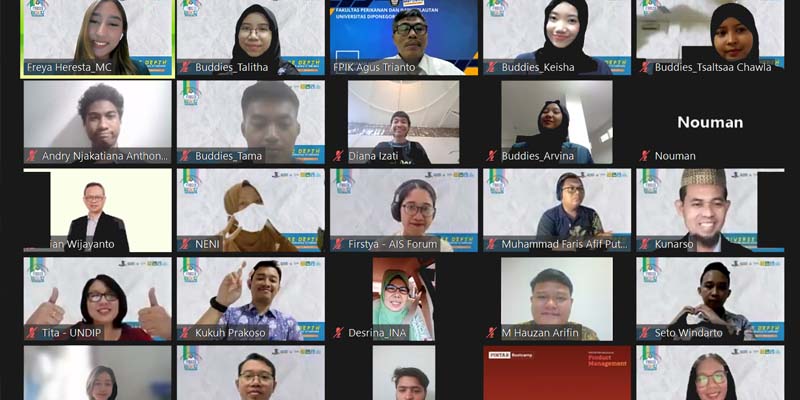
2024 witnessed an exponential surge for ITroSCo. With the theme “Diverse Depth: Exploring the Marine Biodiversity of Indonesia,” this activity successfully attracted 65 participants from 13 countries spanning four continents (Asia, Africa, Europe, and America/Oceania). Fully supported by the AIS Forum, the program, which was also facilitated by nine local students (buddies), concluded with awards for the best participant (Fadil Mohamad Subhan), the most active participant (Benedicta Nesya Nathania), and the most initiative participant (Nouman Ahmad).
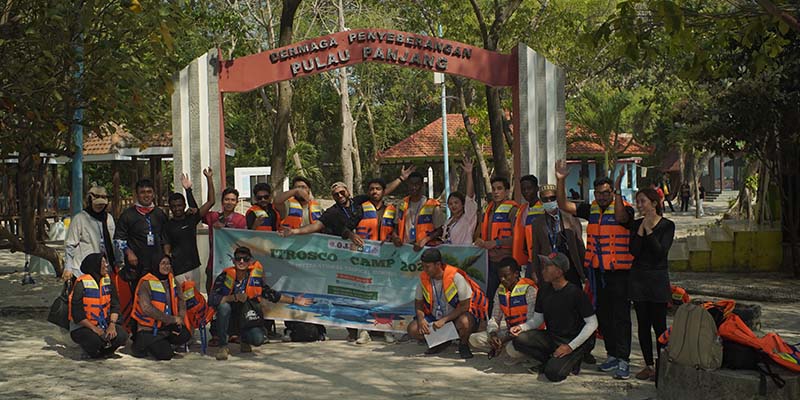
In its seventh edition, ITroSCo featured the theme “Sustainable Aquaculture & Coastal Ecosystem,” and lasted 14 days, divided into an online pre-camp and an offline camp in Jepara. Representatives from more than seven countries across two continents (Asia and Africa) attended, including Bangladesh, Egypt, and Nigeria. The online session presented the nine pillars of the marine curriculum through the Undip MOOCs platform. Meanwhile, the offline session in Jepara invited participants to visit the cold storage, desalination, and shrimp pond facilities at the Jepara Campus Management Agency (BPKJ), explore coastal conservation studies at Bandengan Beach, and explore the carving and batik culture at the Nalendra Gallery.
Global Partnerships